ENGINES & MACHINERY SPARE PARTS
Engines and machinery spare parts are essential components that ensure the proper functioning, maintenance, and repair of mechanical systems used in various industries, including automotive, manufacturing, construction, and agriculture.
These parts can range from simple fasteners to complex assemblies, and their availability and quality are crucial for minimizing downtime and maximizing productivity. Below is an overview of the types of spare parts, categorization, features, and market considerations.

Categories of Engines & Machinery Spare Parts.
Engine Components
Pistons
The cylindrical components that move up and down in the engine cylinders.
Cylinders
The engine’s main component where fuel combustion occurs.
Crankshafts
Converts linear motion of the pistons into rotational motion.
Camshafts
Controls the timing of the valve openings and closings.
Valves
Regulate the flow of air and fuel into the cylinders and exhaust gases out.
Gaskets and Seals
Prevent leaks by sealing joints between engine components.
Fuel System Parts
Fuel Pumps
Pumps that supply fuel from the tank to the engine.
Injectors
Inject fuel into the combustion chamber.
Carburetors
Mix air and fuel in the correct ratio (for older engines).
Filters
Clean fuel before it reaches the engine to prevent damage.
Cooling System Parts
Radiators
Helps dissipate heat from the engine.
Water Pumps
Circulates coolant through the engine and radiator.
Thermostats
Regulates the engine’s operating temperature.
Cooling Hoses
Transfer coolant between components.
Lubrication System Parts
Oil Pumps
Circulate engine oil to reduce friction and wear.
Filters
Remove impurities from the engine oil.
Oil Pans
Collect and store engine oil.
Transmission Parts
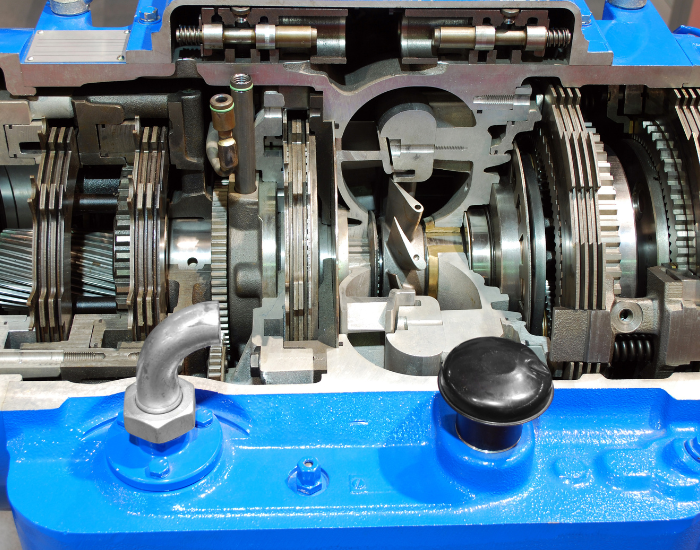
Gears
Facilitate power transmission from the engine to the wheels.
Clutches
Engage and disengage the power flow.
Torque Converters
Allows smooth power transfer in automatic transmissions.
Electrical Components
Batteries
Store electrical energy to start the engine and power electrical systems.
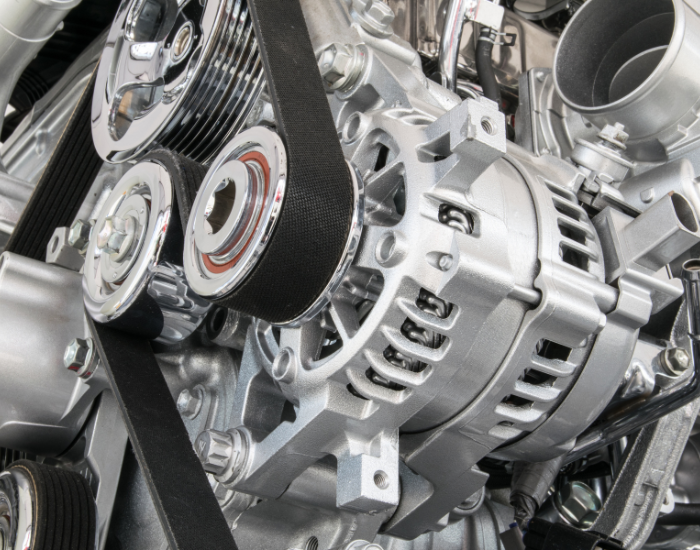
Alternators
Generate electricity to recharge the battery and power electrical systems.
Starters
Initiate engine crank and combustion.
Sensors
Monitor various engine parameters, like temperature and oxygen levels.
Hydraulic Components (for machinery)
Hydraulic Pumps
Generate pressure to operate hydraulic systems.
Cylinders
Convert hydraulic pressure into mechanical force.
Hoses and Fittings
Transport hydraulic fluid.
Bearings and Gaskets
Bearings
Reduce friction between moving parts.
Gaskets and Seals
Prevent fluid leakage in various components.
Miscellaneous Parts
Belts and Chains
Transfer power between rotating components.
Filters (Air and Oil)
Clean air and oil for efficient engine operation.
Fasteners
Bolts, nuts, and screws used to secure components.
Key Features of Spare Parts
Quality
High-quality materials and manufacturing processes ensure durability and performance.
Compatibility
Spare parts should be compatible with specific machinery and engine models.
Availability
Easy access to replacement parts is crucial for minimizing downtime.
Cost
Availability of a range of parts at different price points, from OEM (Original Equipment Manufacturer) to aftermarket options.
Conclusion
Engine and machinery spare parts are crucial for the smooth operation and longevity of equipment across various industries. Understanding the types of parts available, their features, and market trends can significantly enhance maintenance practices and operational efficiency. If you have specific needs or questions about certain parts or manufacturers, feel free to ask!